

Articolo: Natural Fibre Clothing: The Complete Guide to Breathable, Sustainable Fabrics
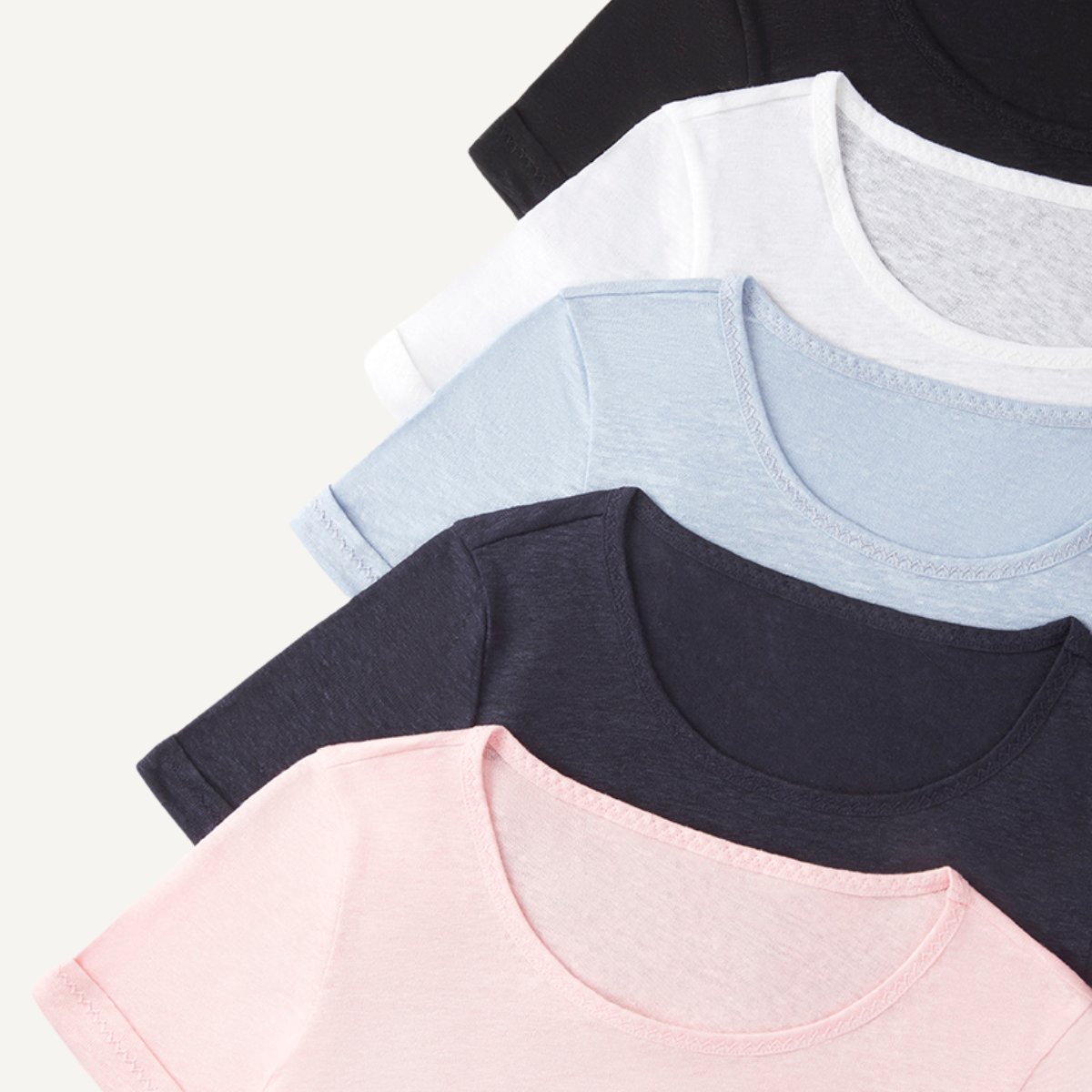
Natural Fibre Clothing: The Complete Guide to Breathable, Sustainable Fabrics
As more people look for clothing that is comfortable, breathable and environmentally responsible, interest in natural fibre clothing has grown significantly. Natural fabrics have been used for centuries because they feel better against the skin and allow the body to regulate temperature naturally.
Today, many wardrobes are dominated by synthetic fabrics such as polyester or nylon. While these materials can be durable, they often lack the breathability and comfort of natural fibres.
Choosing clothing made from natural fibres offers several advantages, including improved comfort, better temperature regulation and reduced environmental impact.
In this guide we cover:
-
what natural fibre clothing is
-
the best natural fabrics for clothing
-
how natural fibres compare to synthetic materials
-
how to build a wardrobe centred around breathable natural fabrics.
What Is Natural Fibre Clothing?
Natural fibre clothing refers to garments made from fibres derived from plants or animals rather than petroleum-based synthetic materials.
These fibres are processed into yarn and fabric that can then be used to produce clothing and textiles.
Natural fibres generally fall into two main categories.
Plant-Based Natural Fibres
Plant fibres come directly from plants and include fabrics such as:
Plant fibres are particularly known for their breathability and lightweight feel, making them ideal for garments worn close to the skin.
For example, breathable pieces such as modal t-shirts and lightweight layering tops work well as everyday wardrobe staples.
Animal-Based Natural Fibres
Animal fibres come from natural animal sources and include:
-
wool
-
silk.
These fibres tend to provide warmth and insulation while still allowing the skin to breathe.
For example, merino knitwear and lightweight wool sweaters provide warmth without excessive bulk.
Why Natural Fibre Clothing Is Better
Many people choose natural fibre clothing because it offers benefits for both comfort and sustainability.
Breathability
Natural fibres allow air to circulate more freely than many synthetic fabrics. This helps regulate body temperature and prevents overheating.
Breathable fabrics are particularly important for clothing worn close to the skin, such as:
-
underwear
Comfort
Natural fibres are often softer and more comfortable against the skin.
Fabrics such as cotton, modal and merino wool are widely valued because they feel smooth and lightweight while maintaining durability.
Temperature Regulation
Natural fibres help regulate body temperature throughout the day.
For example:
-
wool keeps the body warm in winter
-
linen keeps the body cool in hot weather
-
modal and cotton remain breathable year-round.
Sustainability
Many natural fibres are biodegradable and derived from renewable resources.
In contrast, synthetic fabrics such as polyester are petroleum-based and can take many years to break down.
Choosing natural fibre clothing can therefore support more sustainable wardrobe choices.
Best Natural Fabrics for Clothing
Understanding the most common natural fibres can help when choosing breathable clothing.
Natural Fabric Comparison
| Fabric | Breathability | Best For |
|---|---|---|
| Cotton | High | Everyday clothing |
| Modal | Very high | Base layers and t-shirts |
| Linen | Excellent | Summer clothing |
| Merino wool | High | Winter layering |
The Best Natural Fibres for Clothing
Cotton
Cotton is one of the most widely used natural fibres.
It is soft, breathable and easy to care for, making it ideal for everyday wardrobe staples.
Cotton garments are commonly used for:
-
t-shirts
-
shirts
-
dresses
-
casual trousers.
Linen
Linen is made from flax fibres and is one of the most breathable fabrics available.
Because linen allows excellent airflow, it is especially popular in warm climates.
Benefits include:
-
exceptional breathability
-
natural moisture absorption
-
lightweight feel.
Wool
Wool is a natural fibre derived from sheep and valued for its insulating properties.
Unlike synthetic materials, wool helps regulate temperature naturally.
It is commonly used for:
-
sweaters
-
scarves
-
coats
-
knitwear.
Merino Wool
Merino wool is a softer and finer version of traditional wool.
It is particularly valued for:
-
base layers
-
lightweight knitwear
-
outdoor clothing.
Merino fibres regulate temperature effectively while remaining breathable.
Modal
Modal is a plant-based fibre made from beech tree pulp.
Although technically semi-synthetic, modal is derived from natural cellulose and widely considered a sustainable fabric option.
Modal is particularly popular for:
-
breathable layering tops
-
loungewear
-
sleepwear.
Modal fabrics are known for being:
-
exceptionally soft
-
lightweight and breathable
-
resistant to shrinking.
Natural Fibres vs Synthetic Fabrics
Understanding the difference between natural and synthetic fabrics can help when choosing clothing.
| Natural fibres | Synthetic fabrics |
|---|---|
| Derived from plants or animals | Derived from petroleum |
| Breathable | Often less breathable |
| Biodegradable | Slow to decompose |
| Temperature regulating | Can trap heat |
For garments worn directly against the skin, many people prefer natural fabrics because they feel more comfortable throughout the day.
Best Natural Fibre Clothing for Everyday Wear
Natural fibres can be used in many everyday wardrobe staples.
Some of the most versatile natural fibre garments include:
T-Shirts
High-quality cotton or modal t-shirts provide breathable comfort and are easy to style with many outfits.
Long Sleeve Tops
Breathable long sleeve tops provide lightweight warmth and are ideal for layering outfits.
Knitwear
Natural wool or merino knitwear provides warmth while remaining breathable.
Summer Clothing
Linen shirts and dresses are ideal for warm climates because they allow air to circulate freely.
The Most Breathable Natural Fabrics for Clothing
When choosing natural fibre clothing, some fabrics are particularly valued for breathability.
Cotton
Cotton is widely used because it allows airflow and remains comfortable throughout the day.
Linen
Linen is often considered the most breathable fabric available, making it ideal for summer clothing.
Modal
Modal is lightweight and soft, making it an excellent option for breathable base layers and layering tops.
Merino Wool
Merino wool provides warmth while still allowing the skin to breathe.
How to Build a Natural Fibre Wardrobe
Building a wardrobe centred around natural fabrics can be done gradually.
Start with wardrobe basics
Focus on everyday essentials such as:
-
breathable t-shirts
-
layering tops
-
lightweight knitwear.
Choose versatile colours
Neutral colours such as white, navy, grey and black allow garments to be styled easily.
Prioritise quality fabrics
High-quality natural fabrics tend to last longer and feel more comfortable.
Natural Fibre Clothing and Capsule Wardrobes
Natural fabrics are ideal for capsule wardrobes, which focus on timeless pieces that can be mixed and matched easily.
A simple natural fibre capsule wardrobe might include:
-
breathable t-shirts
-
long sleeve layering tops
-
a wool sweater
-
tailored trousers
-
a linen shirt.
FAQs
What fabrics are considered natural fibres?
Natural fibres include cotton, linen, wool, silk and plant-based fabrics such as modal and TENCEL.
Is modal a natural fibre?
Modal is derived from beech tree pulp and is widely considered a plant-based fibre because it originates from natural cellulose.
Which natural fabrics are most breathable?
Linen, cotton and modal are among the most breathable natural fabrics.
Are natural fibre clothes better for your skin?
Natural fibres are often softer and more breathable than synthetic fabrics, which can make them more comfortable for clothing worn directly against the skin.
What are the benefits of natural fabrics?
Natural fabrics provide breathability, temperature regulation, comfort and environmental benefits.
Final Thoughts
Natural fibre clothing offers a combination of comfort, breathability and sustainability that makes it an excellent choice for modern wardrobes.
Fabrics such as cotton, linen, merino wool and modal provide superior comfort while allowing the body to regulate temperature naturally.
By investing in well-made garments crafted from natural fibres, it becomes easier to build a wardrobe that is both timeless and comfortable.

